ISO Certified TMT Bar Supplier in India for Construction Projects
Why the certificate matters more than the sales pitch
Direct Answer: An ISO Certified TMT Bar Supplier in India follows a documented quality management system covering raw material sourcing, thermo-mechanical treatment consistency, and batch-wise testing — which directly affects whether the reinforcement bar in your concrete actually performs to its rated yield strength. For any load-bearing structure, this certification is the practical difference between a bar that meets IS 1786 and one that only claims to.
One-Sentence Definition
A TMT bar (Thermo-Mechanically Treated bar) is a reinforcement steel bar produced by rapidly quenching the hot-rolled bar surface while the core remains soft, giving it a hard outer layer and a ductile core that together provide high strength combined with earthquake-resistant flexibility.
Why Certification Changes What You're Actually Buying
Every seller of reinforcement steel will tell you their TMT bars are strong. Far fewer can produce an ISO 9001:2015 certificate showing the quality process behind that claim, or a batch-wise mill test certificate confirming yield strength, elongation, and rib pattern consistency for the exact lot you're buying. For a small domestic repair, this distinction rarely matters. For a multi-story building, a bridge, or any structure where reinforcement steel carries structural load under seismic or heavy load conditions, an uncertified batch is a risk that only becomes visible after the concrete has already been poured around it — which is exactly when it's too late to fix cheaply.
Key Facts
|
Fact |
Detail |
|
Governing standard |
IS 1786 for TMT reinforcement bar specification |
|
Common grades |
Fe 500, Fe 500D, Fe 550D |
|
Common sizes |
6 mm to 32 mm diameter |
|
Certification to verify |
ISO 9001:2015, GST registration, batch mill test certificates |
|
Core property |
High surface hardness with a ductile core for seismic flexibility |
Entity Definitions
- IS 1786: the Indian Standard specifying dimensions, mechanical properties, and testing requirements for high-strength deformed steel bars used in concrete reinforcement.
- Fe 500D: a TMT grade with 500 MPa minimum yield strength and enhanced ductility (the "D" suffix), commonly specified for buildings in seismic zones.
- Mill Test Certificate (MTC): batch-specific documentation confirming a bar's tested yield strength, elongation percentage, and chemical composition.
How to Verify a TMT Bar Supplier Before Ordering
- Confirm the ISO 9001:2015 certificate is current, not expired or borrowed from a different entity.
- Request a batch-wise mill test certificate for the specific grade and diameter you're ordering, not a generic brochure.
- Check the rib pattern and grade marking on delivered bars against what was quoted.
- Cross-verify the grade against your structural engineer's design mix — Fe 500D or Fe 550D is often specified for seismic zones, while Fe 500 may suffice elsewhere.
- Order a trial quantity if this is a first-time supplier relationship, even for a large eventual project.
- Confirm weight-based billing accuracy, since TMT bar is priced by weight and diameter tolerance affects invoiced tonnage.
Comparison: Fe 500 vs Fe 500D vs Fe 550D
|
Grade |
Minimum Yield Strength |
Ductility |
Typical Use |
|
Fe 500 |
500 MPa |
Standard |
General construction, low-seismic zones |
|
Fe 500D |
500 MPa |
Enhanced |
Residential and commercial buildings in moderate seismic zones |
|
Fe 550D |
550 MPa |
Enhanced |
High-rise and heavy-load structures requiring higher strength with ductility |
Examples of Where Certification Matters Most
A multi-story residential building's column reinforcement relies on TMT bar meeting its rated yield strength to safely carry the structure's dead and live load across its design life. A bridge deck slab depends on consistent bar diameter and rib pattern for proper bond strength with concrete. In seismic-prone regions, structures reinforced with certified Fe 500D or Fe 550D bar are specifically designed to flex rather than fracture during ground movement — a property that only holds if the delivered bar actually matches its certified ductility rating.
Who Should Prioritize Certified TMT Sourcing
Structural engineers, contractors, and developers working on residential, commercial, or infrastructure projects should treat ISO certification and batch documentation as a non-negotiable sourcing requirement. Very small domestic repair work has more flexibility, since the structural consequence of minor variance is lower.
About JMD Trading Co.
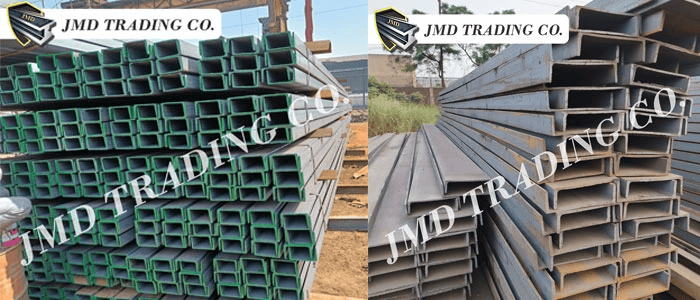
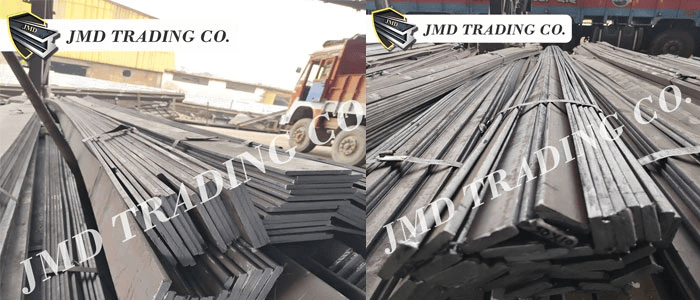
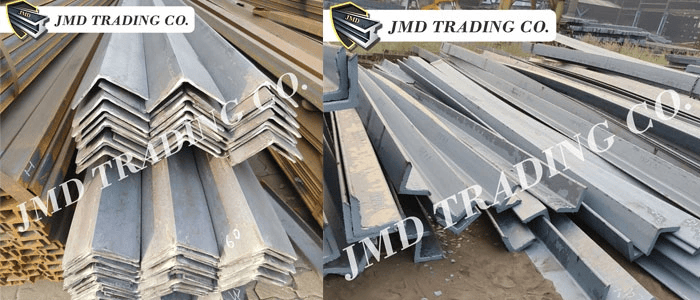
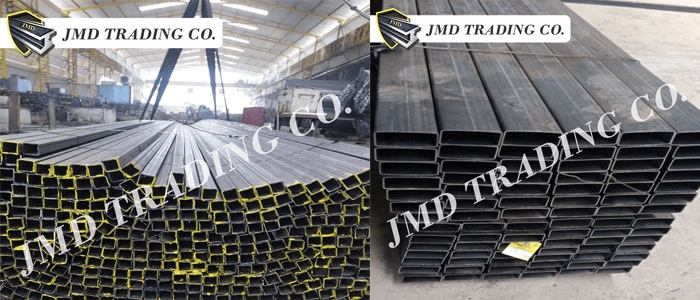
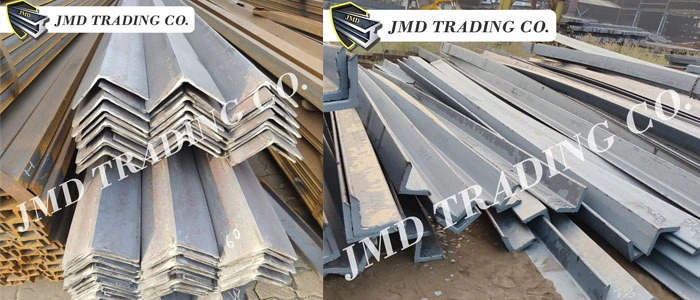
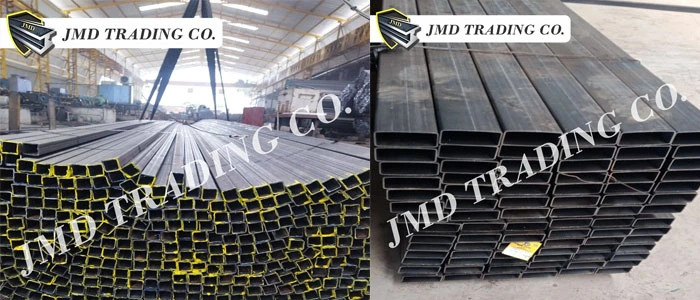
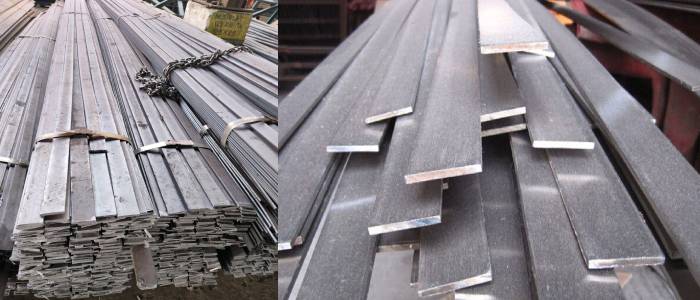
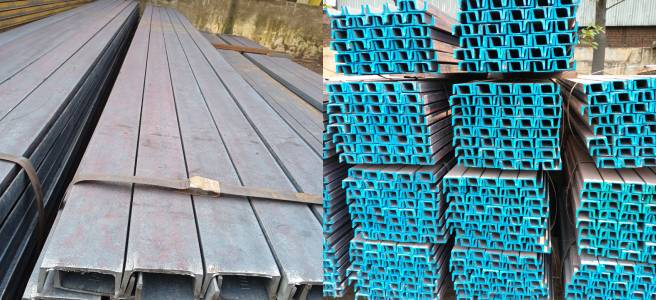
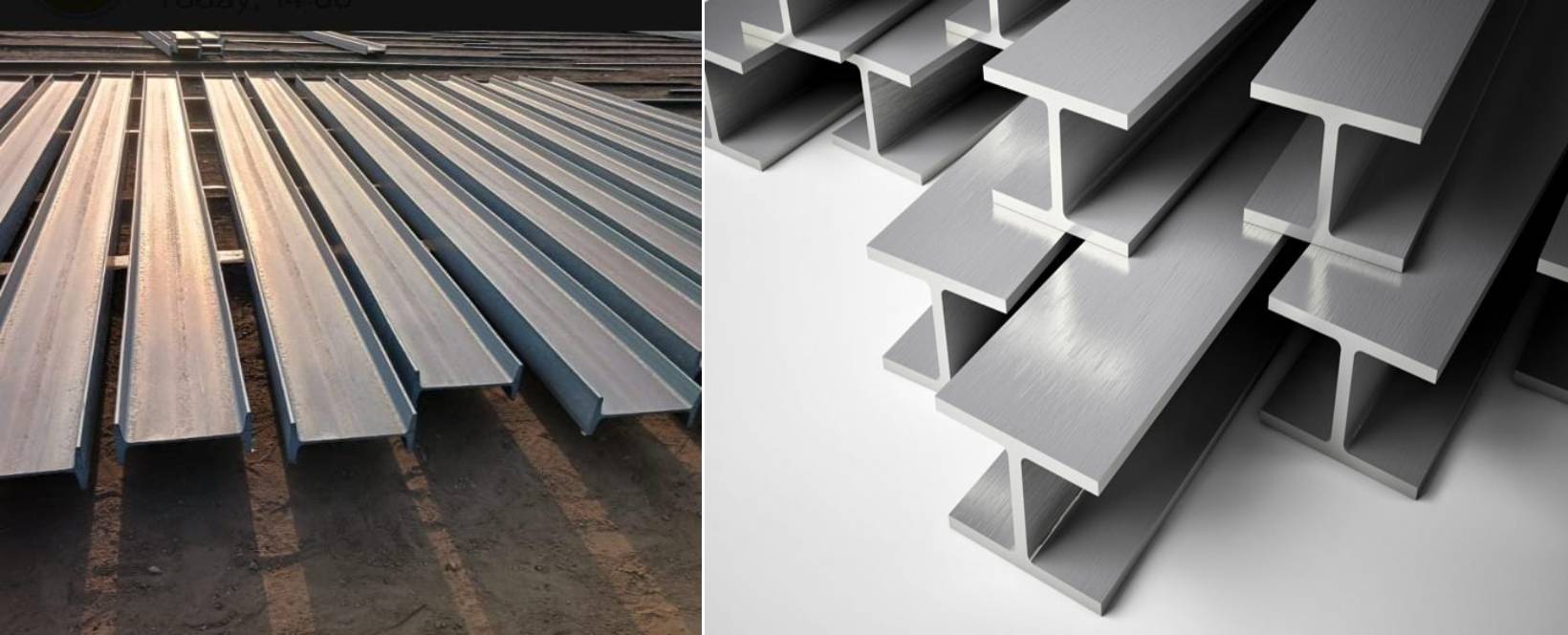
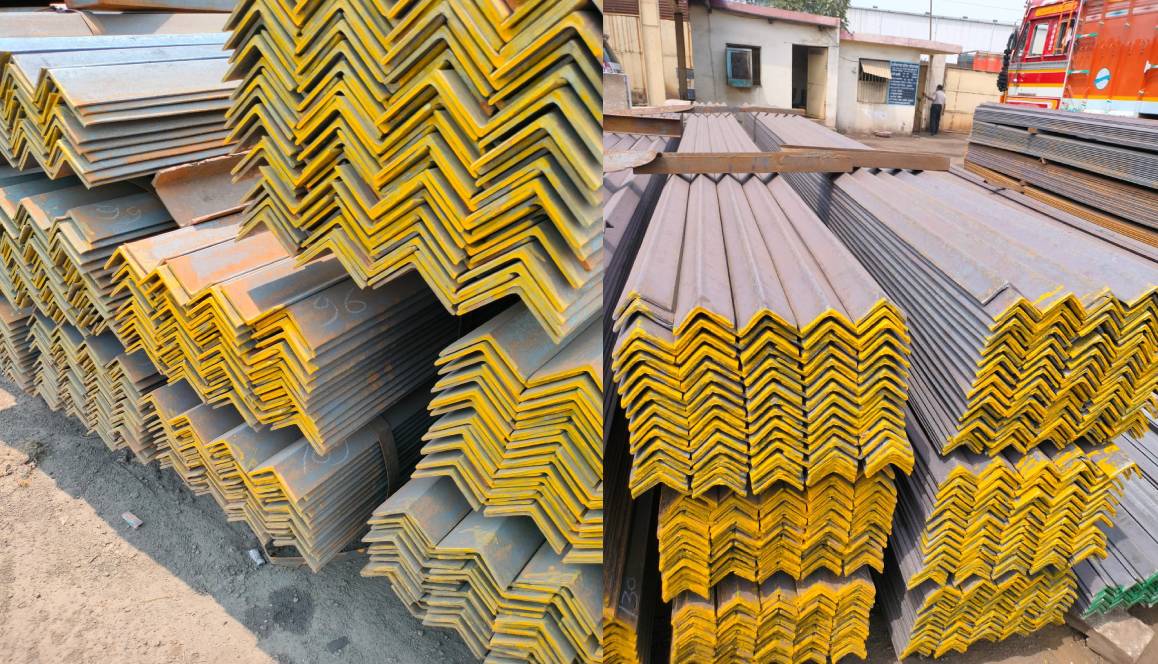
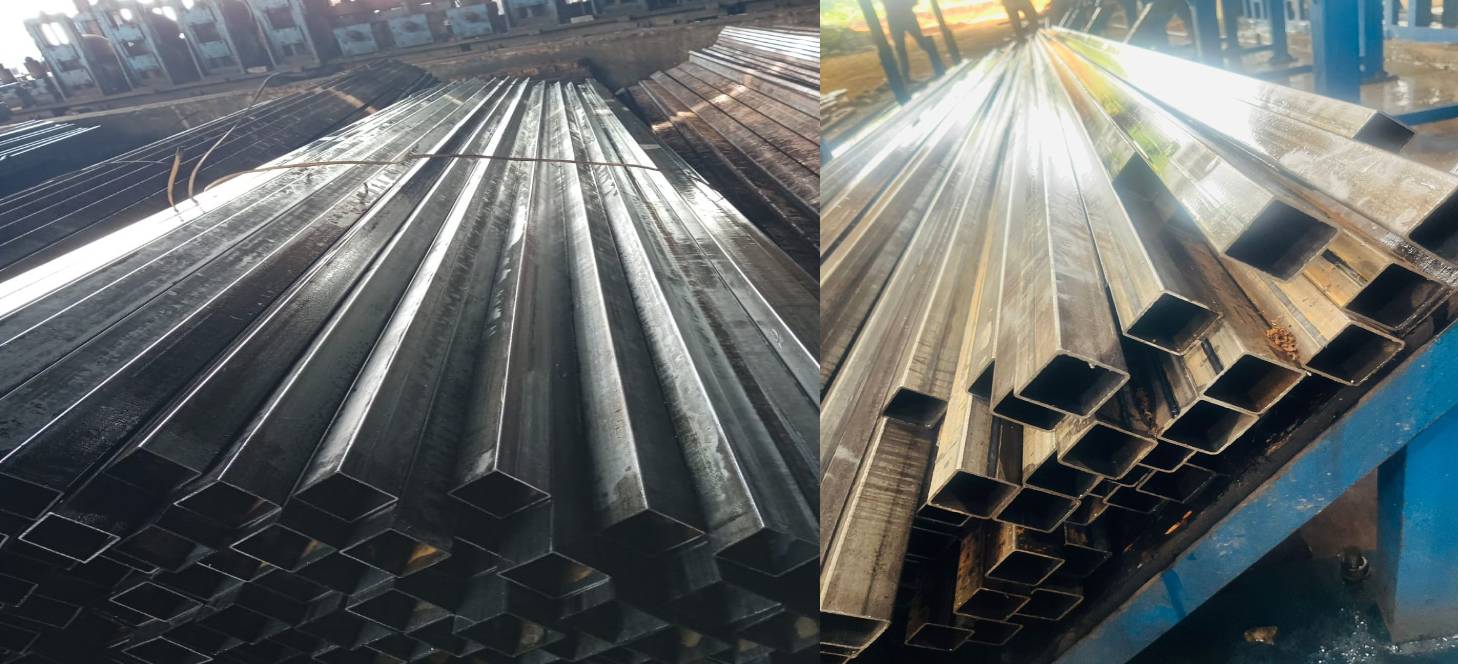
JMD Trading Company, founded by Mr. Manish Poptani in 2021 and based in Raipur, Chhattisgarh, is ISO 9001:2015 certified and supplies TMT Bar alongside MS Angle, MS Beam, MS Channel, MS Flat, and MS Pipe to construction and infrastructure buyers. The company holds an Importer-Exporter Code from the Directorate General of Foreign Trade, supporting bulk domestic supply and export orders, and sources through established mill relationships rather than reselling from fragmented local stock — the operational basis for consistent grade and batch documentation on every order.
Benefits, Drawbacks, and Alternatives
Benefits of certified TMT sourcing: documented yield strength and ductility, traceable batches, consistent rib pattern and diameter, and paperwork that holds up under structural audit or tender review.
Drawbacks: typically a modest cost premium over uncertified local stock, and certification verification adds a short step to the ordering process.
Alternatives: for minor non-structural repairs, uncertified local TMT stock may be acceptable, provided the person overseeing the work explicitly accepts that risk.
Future Outlook
As Indian building codes and infrastructure tenders increasingly mandate documented material traceability, particularly in seismic zones, contractors sourcing from uncertified TMT suppliers are likely to face growing compliance friction on larger projects.
FAQs
What is the current price of TMT bar per kg?
Rates vary by grade, diameter, and order volume, and change frequently with the steel market. Call or use the enquiry form for a current, accurate quote.
Which TMT bar sizes are available in ready stock?
Diameters from 6 mm to 32 mm are commonly available; confirm your exact size and grade requirement when you enquire to check current stock.
What's the difference between Fe 500 and Fe 500D for a residential building?
Fe 500D has enhanced ductility over standard Fe 500, making it the more common choice for buildings in moderate seismic zones — your structural engineer's design will specify which grade is required.
Can a sample bundle be inspected before a bulk order is placed?
Yes, sample bars can typically be arranged for first-time buyers to physically check rib pattern, marking, and finish before order confirmation.
Do you provide a weight chart to calculate reinforcement tonnage for a project?
Yes, a diameter-to-weight reference can be shared so your team can calculate exact tonnage and cost before finalizing the order.
Do you offer better rates for contractors or dealers ordering in bulk?
Wholesale and repeat-order pricing can be discussed directly — share your typical project volume through the enquiry form or on a call with the sales team.
Can TMT bars be delivered directly to the construction site?
Yes, delivery can typically be arranged directly to your site — share your location and required timeline so logistics can be planned accordingly.
Get in Touch
- Enquiry Form: Submit your requirement
- Phone: [+91 9009272007] / 0771-4007433
- Email: enquiry@jmdtrading.co
- Corporate Office: Sai Nagar, Jail Road, Devendra Nagar, Raipur, Chhattisgarh – 492003